Solutions for a Fairer Digital Activism Space

Published by

on

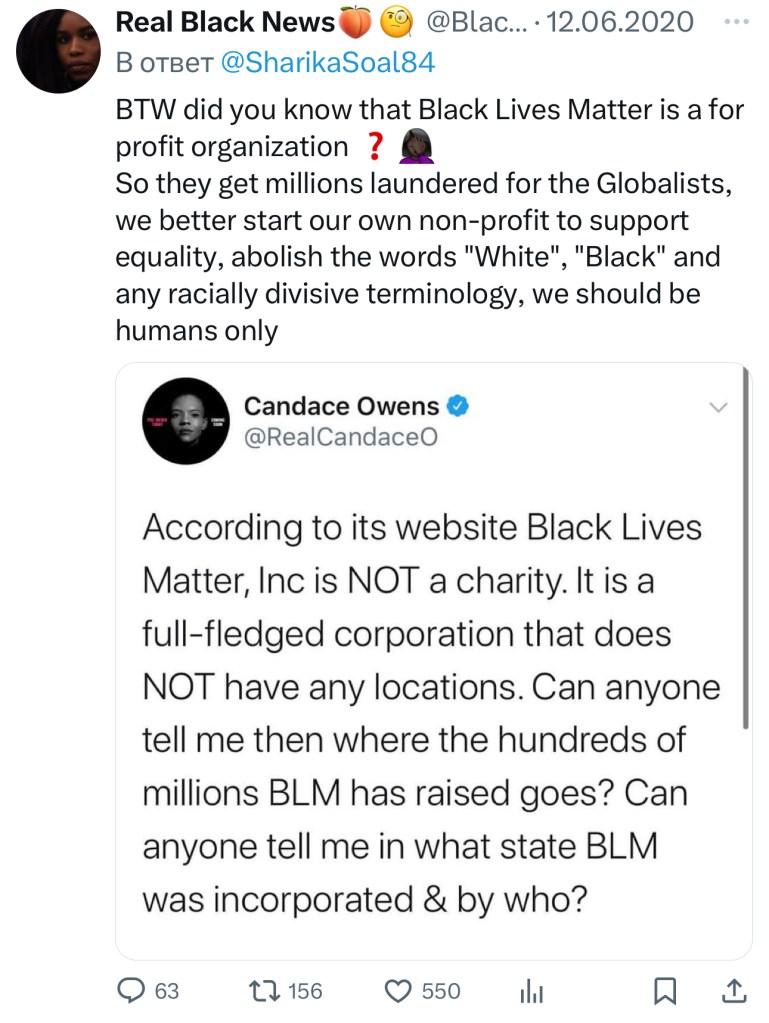
Facebook Instagram, X and other news portals currently play a key role in activism, but their algorithms often reinforce bias by creating «echo chambers» and spreading misinformation that negatively affects the perception of information by the masses, as well as undermines trust and confidence. Moreover, algorithms may inadvertently discriminate against marginalized groups. To deal with this problem, having studied many sources of information, I propose the following solutions:

  • The spread of training data
  • The fight against fake news  
  • Support for local initiatives  
  • Media literacy training  
  • Alternative platforms

Cited section:

Mendes, Kaitlynn, et al. «#MeToo and the Promise and Pitfalls of Challenging Rape Culture Through Digital Feminist Activism.» European Journal of Women’s Studies, vol. 25, no. 2, 2018, pp. 236–246.

Pariser, Eli. The Filter Bubble: How the New Personalized Web Is Changing What We Read and How We Think. Penguin, 2011.

Fuchs, Christian. Social Media: A Critical Introduction. SAGE Publications Ltd, 2021.

https://westminsterresearch.westminster.ac.uk/item/8yq93/social-media-a-critical-introduction

Diakopoulos, Nicholas. Automating the News: How Algorithms Are Rewriting the Media. Harvard University Press, 2019.

Tufekci, Zeynep. Twitter and Tear Gas: The Power and Fragility of Networked Protest. Yale University Press, 2017.

https://www.forbes.com/sites/anniebrown/2021/10/18/achieving-instagram-growth-in-the-age-of-ai-and-algorithmic-bias/

https://ai.meta.com/blog/how-were-using-fairness-flow-to-help-build-ai-that-works-better-for-everyone/

Watson, Amy. «Concern About False Information Worldwide as of March 2024.» Statista, 17 Apr. 2024

https://www.statista.com/statistics/1461636/false-information-concern-worldwide/

Оставить комментарий

Создайте подобный сайт на WordPress.com
Начало работы